
News
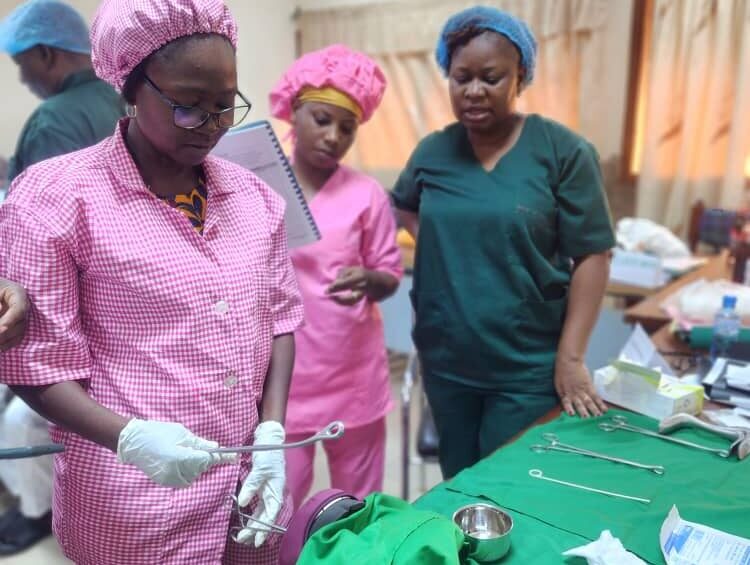
Training to Transform
17 April 2026
Health professionals are the first point of contact for sexual and reproductive health. Their ability to listen, inform, guide, and intervene with sensitivity makes all the difference.
This is why we support local teams to strengthen their clinical skills while integrating rights-based approaches that are gender-sensitive and responsive to sociocultural realities. These training courses are co-designed and delivered with our local partners, inspired by their expressed needs and informed by their field experience.
Santé Monde does not create new programs. We build on the ministries of health’s continuing education programs. By collaborating with national trainers, we strengthen what is already in place and sustainably integrate quality practices into SRHR curricula. This way, knowledge continues to circulate long after we leave.
Tangible outcomes
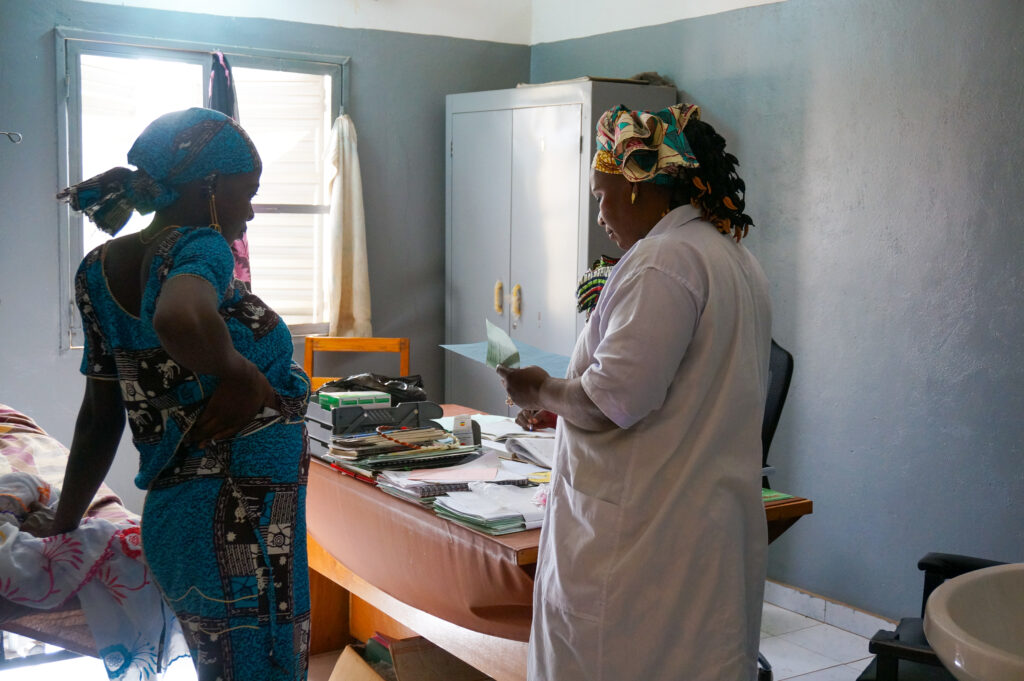
From Mali to Benin to Haiti, the finding is consistent: providers more comfortable discussing contraception, detecting violence, welcoming adolescents, and providing post-abortion care. More confident and supportive teams finally creating those safe spaces where patients dare to ask their real questions.
- CLEFS (Mali) : Teams now integrate concepts of consent, confidentiality, and respect for rights into their daily practice. Result: increased voluntary use of SRHR services, particularly family planning, thanks to strengthened trust.
- FANMKAD (Haïti) : Trained providers are equipped with the skills and tools to identify, support, and refer GBV victims/survivors. More attuned to power dynamics and the psychological impacts of GBV, they contribute to more humane and safe care pathways.
- PLURIELLES (Bénin, Burkina Faso et Mali) : The focus on welcoming care practices for women and adolescents has transformed the quality of listening and support in rural areas, fostering more equitable access to services for people in vulnerable and marginalized situations, especially for victims/survivors of GVB.
The ripple effect
Each trained professional reaches hundreds of patients per year. But the impact goes further: they train their colleagues, change their department’s practices, influence their family and community. Training is far more than transferring clinical skills. It’s humanizing care today and tomorrow!