
News
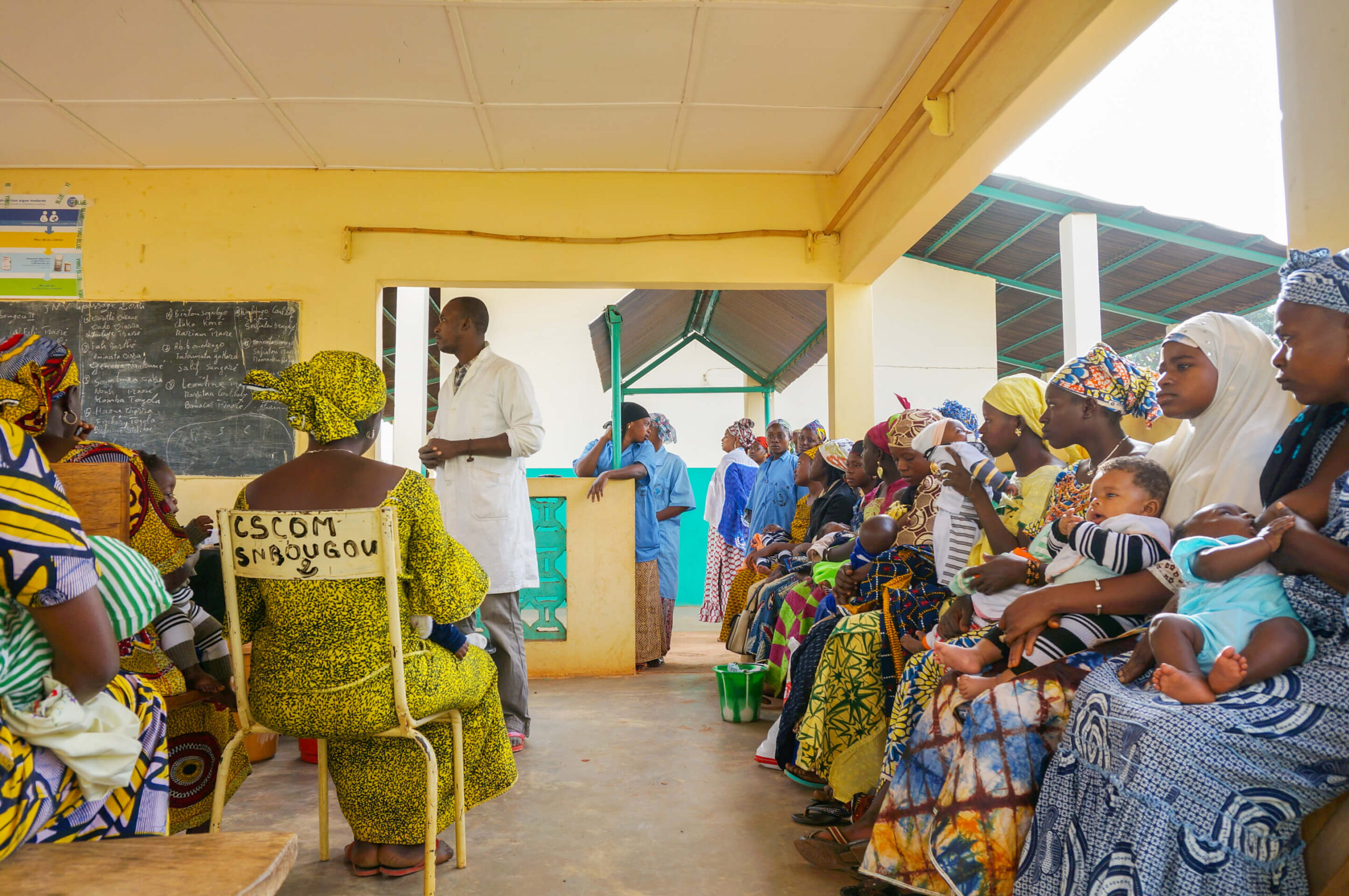
The CSCom-U: A Model Transforming Community Health
15 November 2025
Innovation hubs at the heart of communities
In Mali, University Community Health Centers (CSCom-U) are reinventing primary healthcare. Their ambition is as bold as it is transformative: bringing together quality services, teaching, and research closest to the people, where needs are greatest.
Under one roof, communities access quality care, particularly in sexual and reproductive health and rights (SRHR); students learn through real-life situations; and health professionals combine clinical practice with teaching. Local challenges become research questions, and solutions emerge directly from the field.
With support from the CLEFS project, a decentralized rural and peri-urban internship program developed with higher education health institutions is training a new generation of doctors, midwives, and nurses.
This synergy produces lasting benefits: better-trained teams, strengthened health services, solutions adapted to real needs, and mobilized communities.
In CSCom-Us, healthcare providers, researchers, and citizens work together to improve population health, particularly that of women and girls.
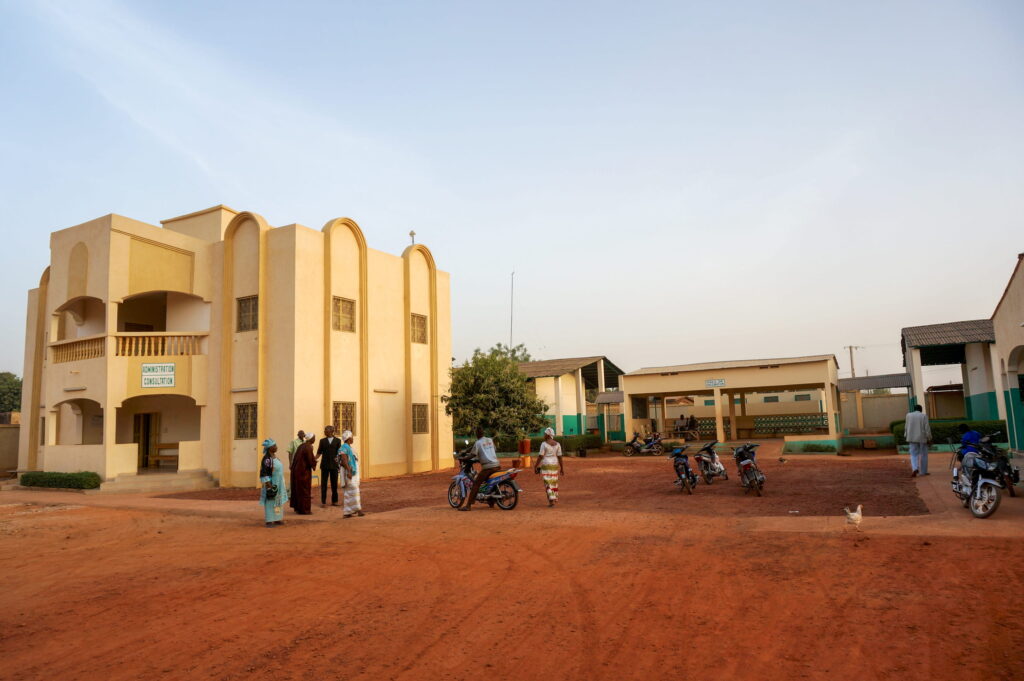
15 years of Canada-Mali partnership
Since 2010, Santé Monde, in consortium with Cégep de Saint-Jérôme and Université de Sherbrooke, has supported this transformation alongside Malian partners.
The DÉCLIC project (2010-2019) created the first five CSCom-U. Given the demonstrated effectiveness, CLEFS (2020-2025) expanded the model to seven centers across five regions.
Results that speak for themselves
Care quality is improving, trust is building, and indicators are rising:
- 57% of pregnant women complete the four recommended antenatal consultations (compared to 38% at project start)
- 83% of deliveries are assisted by skilled personnel (compared to 57% national average)
- 98% user satisfaction
Behind these figures are women and girls who consult without fear. They are also professionals who choose CSCom-Us for their stimulating environment and students who develop within a deeply humane approach, where community health is recognized as a specialty of excellence.
“The internships we do at CSCom-U are very different. We learn so much,” explains a nursing student from the National Institute of Health Sciences Training (INFSS), highlighting the quality of his clinical experience.
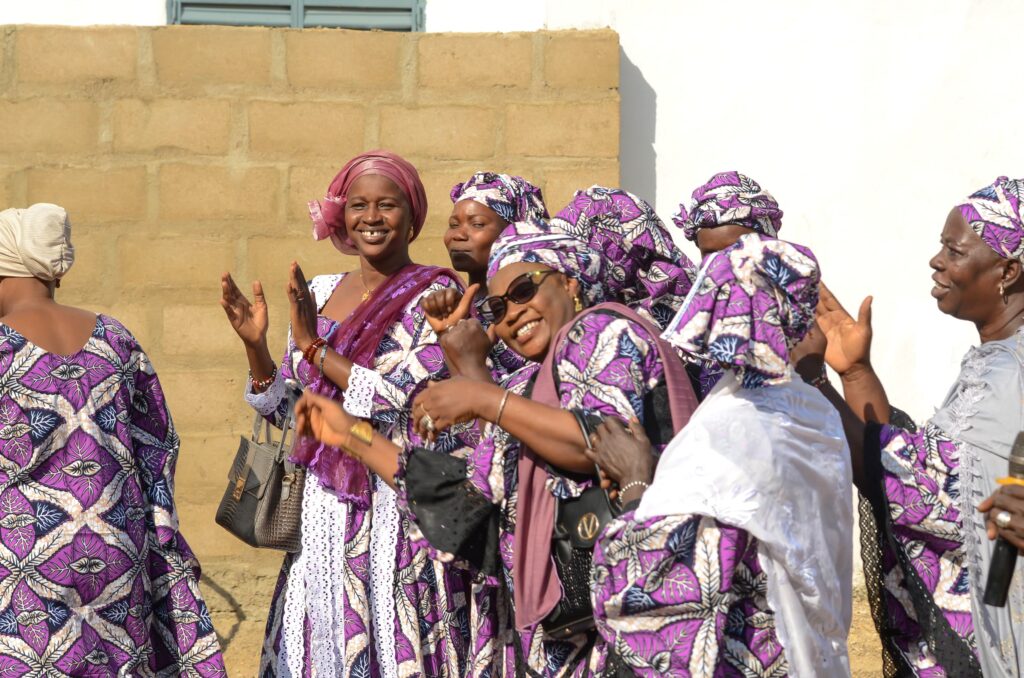
Governance that builds on community agency
In CSCom-Us, communities are decision-makers and managers. Women hold a central and strategic role.
Each center relies on a Women Users’ Committee (CFU). Trained in leadership and community health, these women contribute to orienting services according to real needs, lead prevention and health promotion activities among their peers, and directly influence increased CSCom-U attendance.
This inclusive governance is a key factor in sustainability, accountability, and local ownership.
A recognized model
In five years, the CLEFS project has catalyzed a true metamorphosis: modernized infrastructure, inclusive governance, competent and engaged personnel. CSCom-U now offer modern services at affordable prices, rivaling Bamako hospitals, through telemedicine, digital health, cervical cancer screening, and mental health services.
Their success is such that the Malian government is considering official integration of the CSCom-U model into its health pyramid, positioning Mali as a leader in Africa for university-based community health.
By placing women and girls at the heart of its actions, CLEFS demonstrates that long-term investment in locally rooted solutions can generate measurable, lasting results that drive social and health transformation.
—
Dive into the heart of CSCom-U through a virtual tour!
You’ll see how these dynamic spaces are concretely changing people’s lives and why this model is now inspiring other countries.